
Episode 67: A Time to Thrill – Conversation with Aime Austin – featuring Jennifer Chance
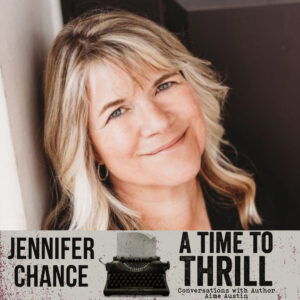


Today, you’ll have the pleasure of a great conversation with author Jennifer Chance (who also writes as Jenn Stark). If you listen to the podcast, you know how this story starts…with an author beach retreat. It’s the first time I got to know Jennifer. The best part, she did Tarot readings for us all. Because […]
Politics of Justice #13: Behind Ransomed | Chapters 13 – 14


In this episode of Politics of Justice, I recap and discuss chapters 13 and 14 of Ransomed. Ransomed is currently available on all platforms and as an audiobook. This series uses the book as a springboard to talk about justice, race, family, and the systems that fail us—and the ones we fight to change. This […]
Episode 66: A Time to Thrill – Conversation with Aime Austin – featuring H.M. Ward
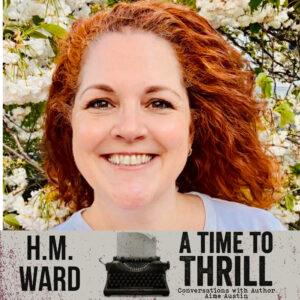

H.M. Ward (Holly) is the 22x New York Times, USA Today, and Wall Street Journal bestselling author with sales of over 23 million books. Years ago, Holly took a break. Now she’s back and better than ever. Her first title, 2011’s Demon Kissed, a romantasy before the term was coined, is being rereleased soon! Let’s […]
Politics of Justice #12: Behind Ransomed | Chapters 9 – 12
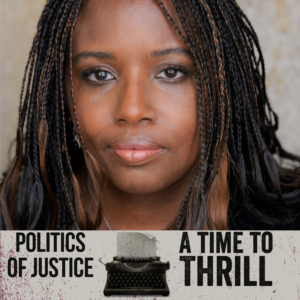

In this episode of Politics of Justice, I recap and discuss chapters 3 and 4 of Ransomed. Ransomed is currently available on all platforms and in audiobook. This series uses the book as a springboard to talk about justice, race, family, and the systems that fail us—and the ones we fight to change. In this […]
Politics of Justice #11: Behind Ransomed | Chapters 5 – 8

In this episode of Politics of Justice, I recap and discuss chapters 3 and 4 of Ransomed. Ransomed is currently available on all platforms and in audiobook. This series uses the book as a springboard to talk about justice, race, family, and the systems that fail us—and the ones we fight to change. In this […]